
Gait Training & Balance Therapy in Frisco, TX
Personalized support for safer, stronger walking.
Gait training is physical therapy for the way you walk. If an injury, surgery, stroke, or a condition like Parkinson’s has changed your stride, our therapists rebuild it step by step — so you can walk to the mailbox, the grocery store, or the golf course without fear of falling. Every plan starts with a one-on-one walking assessment at our Frisco clinic.
West Frisco: (469) 797-0199
What Is Gait Training?
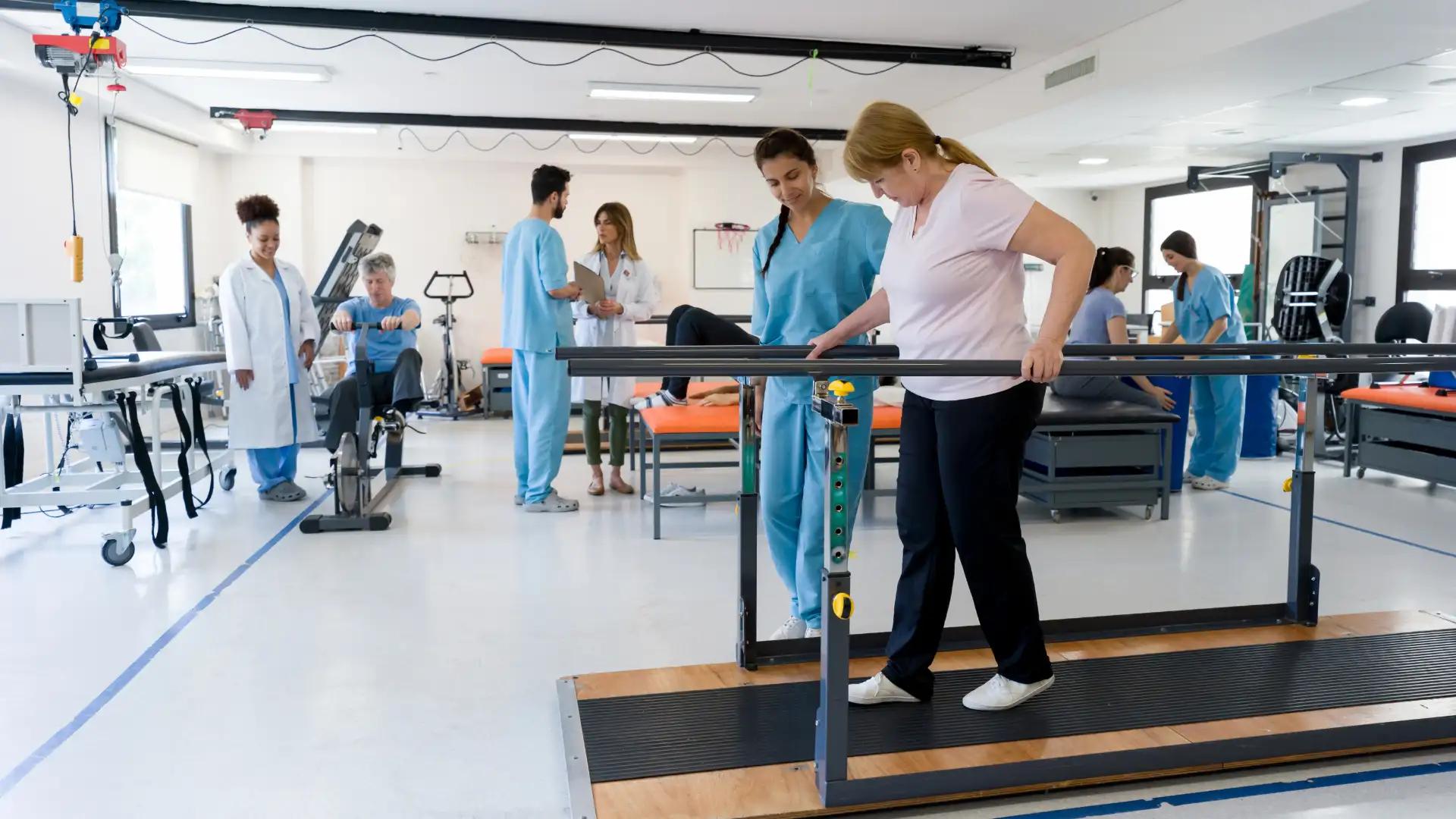
Gait training is a structured program that relearns safe, efficient walking. Your therapist watches how you walk — your posture, step length, heel strike, arm swing, and the speed you move at — and identifies exactly where the pattern breaks down. From there we build a progression of exercises: strengthening the hips, ankles, and core that hold you upright, balance work that trains your reactions, and repetitive walking practice that retrains the coordination between your brain, nerves, and muscles.
Depending on your goals, sessions may include parallel-bar walking, treadmill work with a safety harness, stair practice, obstacle courses, and cueing strategies such as rhythm or visual targets for a shuffling stride. We also look at the footwear and home hazards that quietly increase fall risk, because progress in the clinic only matters if it carries into your daily life. Everything is hands-on: a therapist is with you, not across the room.
Conditions We Treat with Gait Training
Our physical therapists in Frisco address these common mobility and pain challenges:
Your Treatment Journey
What to Expect in Your Sessions
Your first visit starts with a conversation about where you feel unsafe and a close look at how you walk — on level ground, around corners, and if you are ready, on stairs. We measure what matters: how far and how fast you can walk comfortably, how long you can stand on one leg, and what happens when you are nudged off balance. Then we get moving. A typical session includes guided walking practice, strength and balance exercises matched to what we found, and a small homework plan you can do at home. You will wear comfortable clothing and shoes you actually walk in. Many patients are surprised by how immediately practical it is: within the first session you usually leave with two or three specific things to change.
How Many Visits Will I Need?
Most people start with one to two visits a week for four to six weeks, which is a common plan of care for gait and balance work. Your therapist re-tests your measures at regular intervals and discharges you when you are walking safely at your own goals — not on a fixed calendar. If you have had a stroke or a neurological diagnosis, progress is slower and steady practice matters more than intensity, so we may stretch the plan out and teach you or a family member how to continue the exercises independently. We accept most insurance plans and will verify your benefits before your first appointment.
Who Is It Not For?
Gait training is not appropriate while you have an unstable fracture, an unhealed surgical site, or an acute inner-ear flare that makes standing unsafe. If you have significant bone density loss, recent joint replacement precautions, or a heart condition that limits activity, we will coordinate with your doctor first and adjust the intensity. Sudden weakness, numbness on one side, or a new severe headache with dizziness should be evaluated by a physician before therapy begins. When in doubt, call the clinic and describe what you are experiencing — we will tell you honestly whether PT is the right next step.
“Most people who tell me they are “afraid to fall” are not weak — they have simply stopped practicing the reactions that prevent a fall. Gait training gives those reactions back, in a controlled room, before you need them on a sidewalk.”
Dr. Tanya Krishna Mudireddy, PT, DPTFounder & Lead Physical Therapist, Theramax Rehabs
Why Choose Us for Gait Training?
Specialized Balance Rehabilitation
Reactive and static balance work that trains the responses which prevent a stumble from becoming a fall.
Progressive Rehabilitation
Walking drills advance from parallel bars to uneven ground as your control and confidence improve.
Experienced and Skilled Therapists
Every session is one-on-one with a licensed physical therapist who watches each step you take.
Personalized Treatment Plans
Your plan is built around the places you actually walk — home, work, store, or trail.
Frequently Asked Questions
Many patients notice better confidence within two to three sessions, because small changes to step width and heel strike make walking feel steadier immediately. Measurable gains in balance and walking speed typically appear over four to six weeks of consistent practice. Neurological conditions take longer, and we set milestones with you so progress is visible rather than guessed.
Medically reviewed by Dr. Tanya Krishna Mudireddy, PT, DPT, founder of Theramax Rehabs. Learn more on our About Us page.
Take the First Step Toward Recovery
Start a personalized recovery plan with the Theramax team.
Open Monday–Friday 9:00 AM – 6:00 PM • Saturday Appointments Available 9:00 AM – 2:00 PM