
Vestibular Therapy in Frisco, TX
Specialized balance and dizziness rehabilitation.
Dizziness that makes the room spin, or a constant sense of unsteadiness, can make daily tasks feel risky. Vestibular therapy at Theramax Rehabs in Frisco, TX focuses on the inner-ear and brain systems that steady your vision and balance. We begin with a one-on-one evaluation to find what triggers your symptoms, then build a plan around them.
West Frisco: (469) 797-0199
What Is Vestibular Therapy?
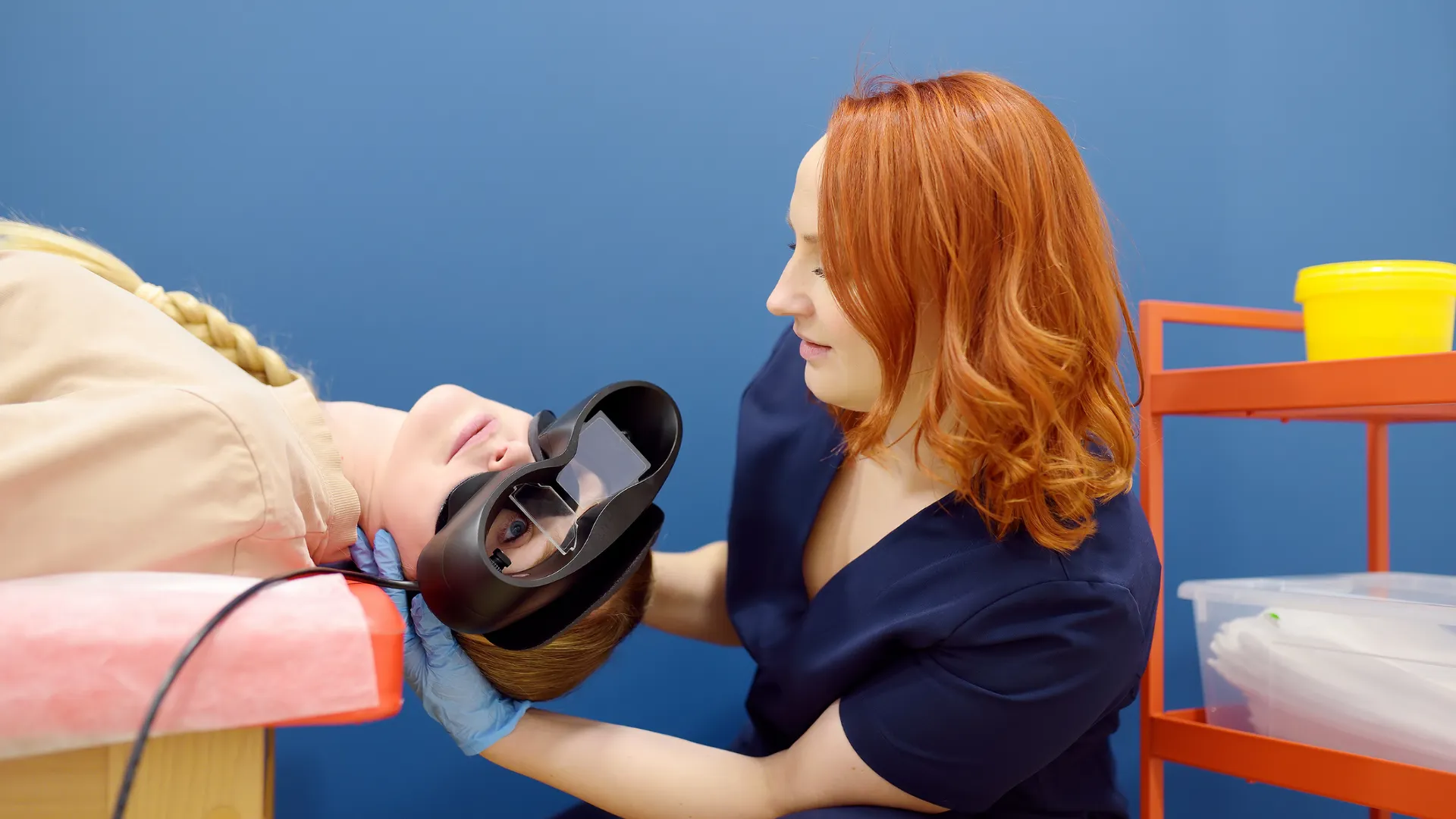
Vestibular therapy is a branch of physical therapy for problems rooted in the inner ear, the visual system, and the brain’s balance pathways. When those signals disagree, you feel dizzy, lightheaded, or pulled to one side. Your therapist begins with positional testing — slow, controlled head and body movements on a treatment table — to see which position sets off your symptoms. That finding drives the whole plan — whether the issue is displaced inner-ear crystals, a vestibular system that underperformed after an illness, or balance lost to avoiding movement.
If testing points to BPPV, your therapist performs a canalith repositioning maneuver such as the Epley maneuver: guided head positions that use gravity to move the stray crystals back where they belong, usually within a few minutes. For other causes treatment differs — gaze stabilization drills hold your vision steady while your head moves, habituation exercises repeat uncomfortable motions until they lose their power, and balance work rebuilds trust in your legs. Every technique is done in the clinic first, at a level you tolerate, with clear instructions for home.
Conditions We Treat with Vestibular Therapy
Our physical therapists in Frisco address these common mobility and pain challenges:
Your Treatment Journey
What to Expect in Your Sessions
Your first visit begins seated, with a conversation about when the dizziness started, what triggers it, and how it affects you. Then you lie back on a treatment table for positional testing: your therapist moves your head through a series of positions and watches your eyes closely for the subtle flicker that signals an inner-ear cause. If BPPV is found, repositioning may happen that same day. Later visits include exercises you do in the room and repeat at home, plus walking and balance practice as symptoms settle. Wear clothing you can lie down in, and bring sunglasses if bright light bothers you afterward.
How Many Visits Will I Need?
A straightforward case of BPPV often improves in one to three visits, because repositioning maneuvers work quickly when the cause is mechanical. Dizziness linked to concussion, vestibular weakness, or long-term balance loss takes longer — commonly six to eight weeks — because the nervous system needs repetition to re-adapt. Your therapist re-tests your symptoms every few visits and adjusts the plan as you go. We accept most insurance plans and confirm your coverage before your first appointment.
Who Is It Not For?
Vestibular therapy is not appropriate during an active inner-ear infection, with an unexplained severe headache, or with stroke symptoms such as one-sided weakness, slurred speech, or double vision — those need emergency evaluation first. Recent head trauma or uncontrolled blood pressure may need clearance from your doctor. If you are unsure whether yours is safe to treat, call our Frisco clinic and describe what you feel.
“Positional vertigo looks dramatic, but it is one of the most mechanical problems we treat — and one of the fastest to change. Patients arrive convinced something is wrong with their brain, and leave the visit relieved to hear it is an inner-ear position problem.”
Dr. Tanya Krishna Mudireddy, PT, DPTFounder & Lead Physical Therapist, Theramax Rehabs
Why Choose Us for Vestibular Therapy?
Comprehensive Vestibular Evaluation
Positional testing, eye-movement screening, and balance measures work together to pinpoint the source of your dizziness.
Gentle Repositioning Maneuvers
The Epley maneuver and similar techniques use guided head positions to settle inner-ear vertigo safely.
Gaze and Habituation Exercises
Home drills that steady your vision during head motion and dull the motions that trigger symptoms.
Personalized Treatment Plans
Sessions progress from symptom control to balance and walking confidence, retested at every stage of care.
Frequently Asked Questions
The Epley maneuver takes only a few minutes in the clinic. Many people notice improvement in vertigo within one or two sessions, though some lightheadedness can linger for days as the inner ear recalibrates. We explain what to expect afterward and recheck your positional test at the next visit.
Medically reviewed by Dr. Tanya Krishna Mudireddy, PT, DPT, founder of Theramax Rehabs. Learn more on our About Us page.
Take the First Step Toward Recovery
Start a personalized recovery plan with the Theramax team.
Open Monday–Friday 9:00 AM – 6:00 PM • Saturday Appointments Available 9:00 AM – 2:00 PM