
Post-Surgical Physical Therapy in Frisco, TX
Guided rehab for a safer, stronger recovery.
Surgery is the starting line, not the finish. After a knee or hip replacement, ACL repair, shoulder surgery, or a spinal procedure, the weeks that follow shape how comfortably you move. Our post-surgical program in Frisco, TX follows your surgeon’s protocol, restores motion and strength in the right sequence, and keeps you moving toward your own goals.
West Frisco: (469) 797-0199
What Is Post-Surgical Care?
Post-surgical care is the structured physical therapy that begins once your surgeon clears you to move. Early on, the priority is protecting the repair while reducing swelling and restoring gentle range of motion; later the focus shifts to strength, control, and the specific movements your surgery was meant to make possible. Each phase has a purpose, and moving through them in order is what keeps recovery on track rather than stalled or set back. Each phase ends with a specific test you must pass before moving on.
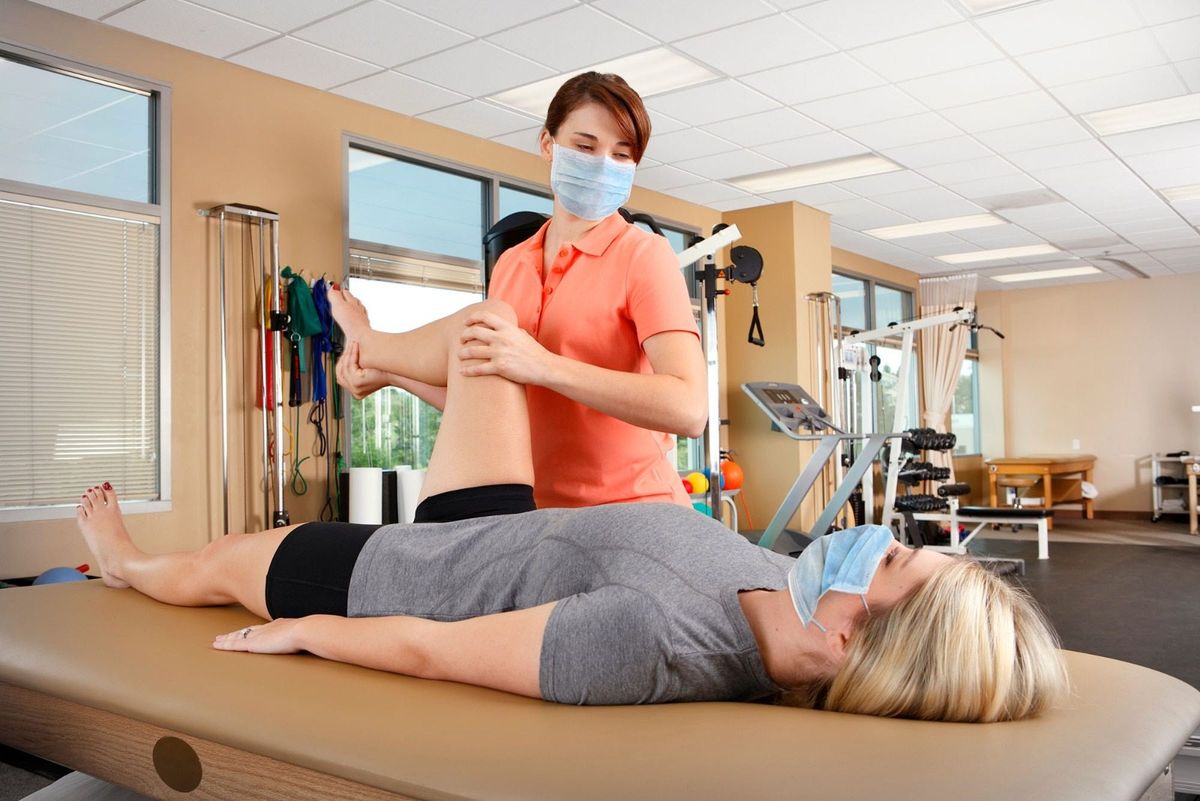
Your therapist works from the protocol your surgeon provides and adjusts it to how your body actually responds week by week. Sessions combine hands-on work on scar tissue and tight structures, guided exercise for range and strength, walking retraining when needed, and straightforward education on what is safe at home. We track milestones — straightening the knee, reaching overhead, climbing stairs — and flag anything that seems behind schedule back to your surgical team. If your paperwork has not arrived, we request it from the surgeon’s office before your first visit rather than assume restrictions.
Conditions We Treat with Post-Surgical Care
Our physical therapists in Frisco address these common mobility and pain challenges:
Your Treatment Journey
What to Expect in Your Sessions
Your first visit after surgery usually starts with a look at the incision, swelling, and how much motion you have been cleared for. We review your surgeon’s instructions together, then measure what matters for your procedure: knee bend and straightening, shoulder reach, weight-bearing tolerance. Treatment follows — gentle hands-on work to reduce stiffness, guided exercises for range and strength, and walking practice if you are still using a walker or crutches. Each session ends with a small, specific home program, and we report progress back to your surgeon at agreed intervals. Wear loose clothing you can move in and bring the brace, walker, or crutches you actually use.
How Many Visits Will I Need?
Typical plans run two to three visits a week for six to eight weeks after joint replacement or ligament repair, and longer after spine surgery, though your surgeon’s protocol sets the outer limits. We re-test range of motion, strength, and function every few weeks so week-by-week progress is measurable, not assumed. Most patients step down to a home program once they reach their milestones. We accept most insurance plans and verify your benefits before your first appointment.
Who Is It Not For?
Starting therapy too early — before your surgeon has cleared weight-bearing or motion — can threaten the repair, so we always work from your written protocol. Active infection, an open or draining wound, uncontrolled pain or swelling, and new calf tenderness with shortness of breath need medical attention first. If your surgery was performed outside the United States or you no longer have the paperwork, call the clinic; we can request records before your evaluation rather than guess at restrictions.
“People ask when they will feel normal again. What I watch instead is milestones: the knee straightens, the shoulder reaches, the walk loses its limp. Recovery in the right order — motion before strength, strength before sport — is what gets you back to normal.”
Dr. Tanya Krishna Mudireddy, PT, DPTFounder & Lead Physical Therapist, Theramax Rehabs
Why Choose Us for Post-Surgical Care?
Progressive Rehabilitation
Motion, strength, and load advanced in the order your surgical protocol requires, week by week.
Return to Function
Walking, stairs, work, and sport goals rebuilt one milestone at a time with measurable testing.
Surgeon Protocol Collaboration
We follow your surgeon’s written restrictions and report progress back at each stage of recovery.
Customized Recovery Programs
Every session adjusts to your swelling, pain, and healing rate instead of a fixed template.
Frequently Asked Questions
Most people regain comfortable daily walking within four to six weeks after knee or hip replacement, while full strength and return to sport after an ACL repair commonly take several months. The timeline depends on your protocol, how your tissue heals, and how consistently you complete the home program. We set week-by-week milestones with you so the next target is always clear.
Medically reviewed by Dr. Tanya Krishna Mudireddy, PT, DPT, founder of Theramax Rehabs. Learn more on our About Us page.
Take the First Step Toward Recovery
Start a personalized recovery plan with the Theramax team.
Open Monday–Friday 9:00 AM – 6:00 PM • Saturday Appointments Available 9:00 AM – 2:00 PM